

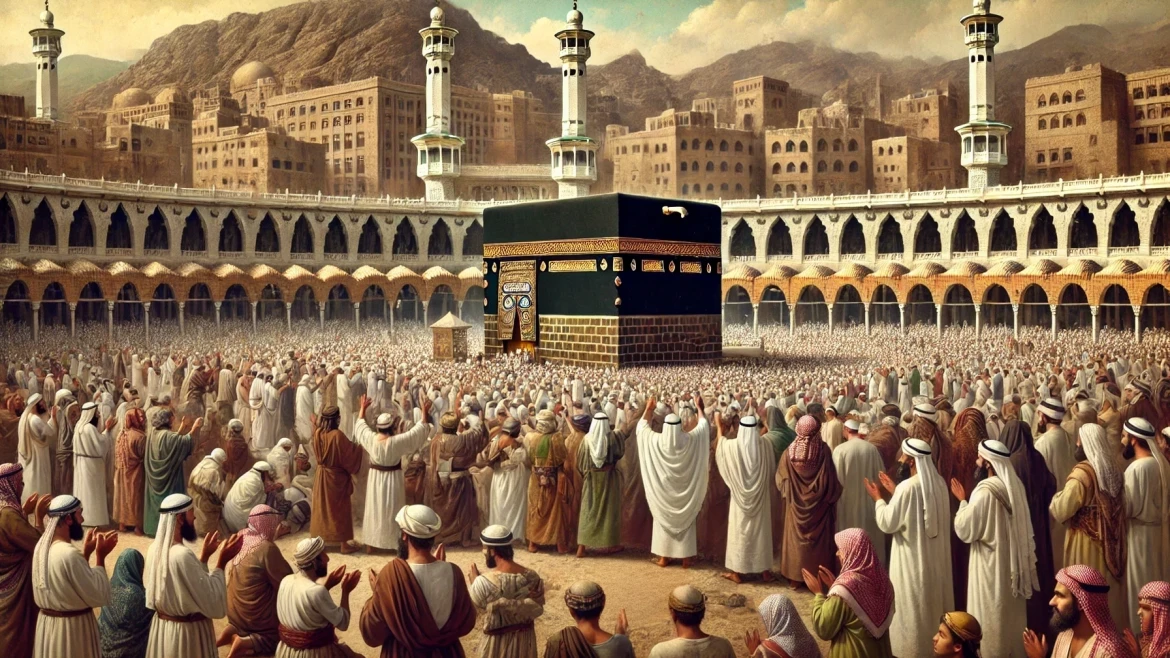
Throughout history, few leaders have demonstrated as much mercy and forgiveness towards their enemies as Prophet Muhammad ﷺ. His life is filled with examples of compassion, even towards those who sought to harm him. Unlike many conquerors and rulers who sought revenge, the Prophet ﷺ chose reconciliation and kindness, embodying the highest moral character. His approach not only won hearts but also transformed adversaries into devoted followers.
Forgiving the People of Ta’if
One of the most profound examples of the Prophet’s ﷺ mercy occurred in Ta’if. After the passing of his beloved wife Khadijah (RA) and his uncle Abu Talib, the Prophet ﷺ traveled to Ta’if to invite its people to Islam. Instead of receiving a warm welcome, he faced harsh rejection. The people ridiculed him, encouraged their children to throw stones, and forced him out of the city. Bloodied and exhausted, he sought refuge under a tree.
At that moment, the angel Jibreel (AS) came with an offer: if the Prophet ﷺ wished, Allah would command the mountains to crush the city. However, the Prophet ﷺ declined. Instead, he prayed for their guidance, hoping that their descendants might one day embrace Islam. His mercy in this painful moment showed his deep concern for humanity rather than personal vengeance.
The Conquest of Makkah: A Moment of Ultimate Forgiveness
After years of persecution, battles, and hardship, the Prophet ﷺ returned to Makkah at the head of an army of 10,000. The city, which had once forced him into exile, was now at his mercy. Many Makkans feared retaliation, remembering how they had oppressed him and his followers. Yet, the Prophet ﷺ did not seek revenge. Instead, he gathered the people and asked, “What do you think I will do to you?” Trembling, they responded, “You are a noble brother, son of a noble brother.”
The Prophet ﷺ then declared, “Go, for you are free.” No mass executions, no forced conversions—only mercy and amnesty. This act of forgiveness won over the hearts of many former enemies, leading them to accept Islam willingly.
His Treatment of the Quraysh Leaders
Among those who had opposed the Prophet ﷺ were powerful figures such as Abu Sufyan, Hind bint Utbah, and Ikrimah bin Abi Jahl. Each of them had played a role in persecuting Muslims. However, when they sought his forgiveness after the conquest of Makkah, the Prophet ﷺ granted them safety.
Hind, who had ordered the mutilation of his beloved uncle Hamza (RA), was deeply ashamed of her past actions. When she came to him, the Prophet ﷺ did not remind her of her crimes. Instead, he accepted her pledge to Islam with kindness.
Ikrimah, the son of Abu Jahl, initially fled after the conquest, fearing retribution. However, upon returning and embracing Islam, the Prophet ﷺ welcomed him warmly, reassuring him that his past hostility was forgiven.
His Mercy in War
Despite facing years of aggression, the Prophet ﷺ strictly prohibited the mistreatment of prisoners of war. During battles, he commanded his companions not to harm women, children, the elderly, or even trees. When prisoners were captured, they were treated with dignity. Many of them, seeing the Prophet’s ﷺ kindness, later embraced Islam.
One striking example is the treatment of Thumamah bin Uthal, a leader of the Banu Hanifah tribe. Captured and brought to Madinah, he was tied to a pillar in the mosque. Each day, the Prophet ﷺ visited him, asking how he was and whether he was ready to accept Islam. After several days of witnessing the Prophet’s character, Thumamah declared his faith and became a devoted Muslim.
The Pardon of Wahshi and Hind
Wahshi, the man who killed the Prophet’s ﷺ uncle Hamza (RA) in the Battle of Uhud, was also shown mercy. When Wahshi later sought forgiveness and embraced Islam, the Prophet ﷺ did not treat him with hatred. Though the Prophet ﷺ found it painful to see him, he allowed Wahshi to live among the Muslims, recognizing his sincere repentance.
Similarly, Hind bint Utbah, who had been complicit in Hamza’s killing, feared for her life. Yet, the Prophet ﷺ forgave her, saying that past enmities were erased upon accepting Islam.
The Prophet’s ﷺ Mercy Towards Abdullah Ibn Ubayy
Abdullah Ibn Ubayy was the leader of the hypocrites in Madinah, known for constantly opposing the Prophet ﷺ. Despite his betrayals, when he passed away, his son—who was a sincere Muslim—requested the Prophet ﷺ to pray for his forgiveness. The Prophet ﷺ, in his compassion, honored this request.
Transforming Enemies into Friends
The Prophet’s ﷺ ability to forgive and show kindness turned many enemies into his most devoted followers. His ﷺ mercy was not a sign of weakness, but rather of immense strength and confidence in his mission. He ﷺ understood that hearts could be softened through love rather than force.
His ﷺ approach teaches us that true leadership lies in rising above personal grievances, focusing on the greater good. Even today, his example remains a guiding light for those seeking to lead with justice, compassion, and wisdom.
The Prophet Muhammad ﷺ embodied mercy at every stage of his life. He ﷺ forgave those who wronged him, showed kindness to those who persecuted him, and treated even his fiercest enemies with dignity. His ﷺ ability to transform hearts through compassion remains one of the most remarkable aspects of his legacy. In a world often driven by conflict and revenge, his life serves as a timeless lesson on the power of mercy, patience, and forgiveness.